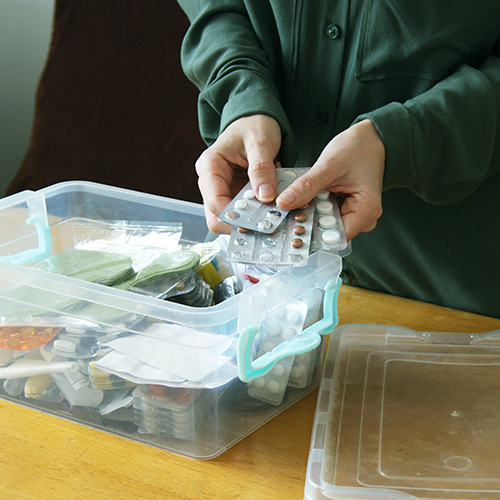
When health care research stops, the answers stop with it.

AHRQ-funded research helps answer practical questions about how health care can be safer, more effective, and more affordable. On July, 15, 2026, researchers began receiving notices that funding for AHRQ grants already underway would not continue.

This tracker documents research grants that have been canceled, the funding affected, and the patients, families, and communities the work was meant to help.


When health care research stops, the answers stop with it.

AHRQ-funded research helps answer practical questions about how health care can be safer, more effective, and more affordable. On July, 15, 2026, researchers began receiving notices that funding for AHRQ grants already underway would not continue.

This tracker documents research grants that have beencanceled, the funding affected, and the patients, families, and communities thework was meant to help.

Who Loses Out

The canceled research reaches across the health care system.
These are some of the people it was meant to help.


Children in foster care
Hospitalized children and their families
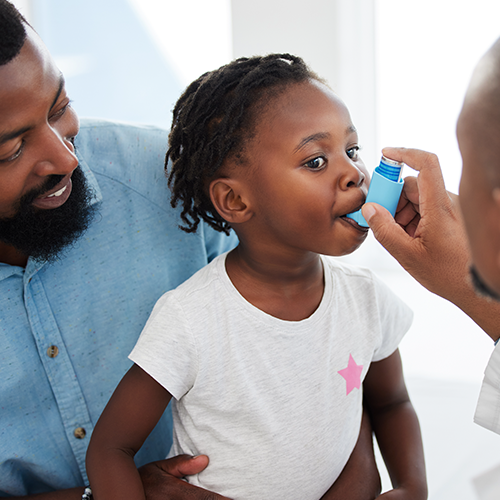
Children with asthma
Children with chronic conditions
Children needing mental health support
New and expecting mothers
Pregnant patients with diabetes
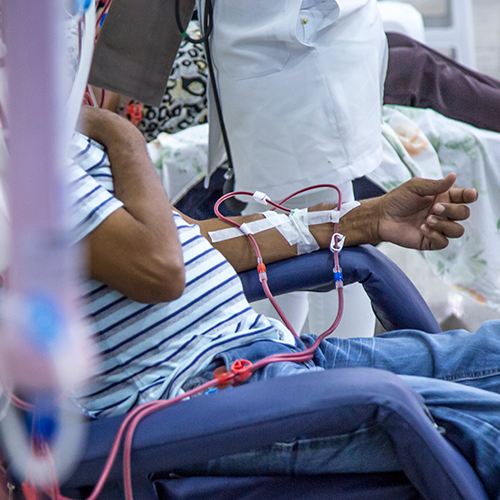
People with kidney failure
Cancer patients
People managing multiple chronic conditions
Older adults
People with disabilities
People on Medicaid and Medicare
Rural patients
Lower-income patients
People with substance use disorders
Patients at risk of misdiagnosis
Patients in emergency and urgent care
People who rely on telehealth
Survivors of sexual assault
The next generation of researchers

The priorities they named. The research they cut.

In its cancellation letters, AHRQ said it was ending these grants to redirect resources toward its stated priorities, including patient safety, antibiotic resistance, telehealth, and autism. But much of the research it canceled was doing exactly that work. The agency cut studies in the very areas it said it wanted to protect.

Preventing antibiotic resistance

a trial across 40 hospitals testing how to use antibiotics more appropriately.

Patient safety

a study built on AHRQ's own National Action Plan to Advance Patient Safety.

Telehealth

a program using telehealth to manage asthma in children whose families face a language barrier.

Digital health tools

a study giving families of hospitalized children access to their care team's notes to catch safety problems.

Artificial intelligence

a tool using AI to catch dangerous iron deficiency in pregnancy before delivery.

Autism

a study to improve early autism screening and diagnosis using digital tools.

Where the Cancellations Occurred

The canceled grants were awarded to researchers and institutions across the country.

Take Action

Report a canceled grant

If your AHRQ grant received a cancellation or non award notice, tell us. Sharing your grant number, project title, and cancellation notice can help us build a more complete public record.

For reporters

We can provide data, background, and connections to affected researchers who have agreed to speak.

Donate to support this work

Documenting canceled grants, supporting affected researchers, and making this information available to the public requires ongoing resources.

Explore the Cancelled Grants

The list below includes the canceled grants we have verified. Every grant included in the list is reflected in the totals and charts on this page. We name individual projects only when the researcher has given us permission to do so. As more researchers agree to be identified, additional projects will be added.

Showing 0 of 100
Tag
Filters
Filter One
Clear
Filter Two
Clear
Filter Three
Clear
Filter Four
Clear
Filter Five
Clear
Filter Six
Clear
Filter Seven
Clear
Filter Eight
Clear
Filter Nine
Thank you! Your submission has been received!
Oops! Something went wrong while submitting the form.
R01 HS028669
Characterizing the Impact of COVID-19 on Antibiotic Prescribing in Acute Care and Identifying Resilient Stewardship Strategies (POISED)
The COVID-19 pandemic changed how antibiotics were used in hospitals, with lasting effects on antibiotic resistance. This study examined those effects and worked to identify strategies that keep antibiotics working when patients need them.
Patients in acute care at risk from antibiotic-resistant infections
Patient safety
Research project
University of Wisconsin-Madison
Wisconsin
R01 HS029870-02
PIC-TRFS: A Randomized Trial of a Multicomponent Intervention for ICU Survivors and Caregivers
Surviving the ICU is often just the beginning of a long, hard recovery for both patients and their caregivers. This trial tested a program to support ICU survivors and their families through that recovery.
Survivors of intensive care and the family members who care for them
Chronic conditions
Research project
University of Pittsburgh
Pennsylvania
K08 HS028847
Optimizing targeted, equitable use of neuroimaging in cases of suspected infant physical abuse
Deciding whether an infant's injury signals abuse is among the highest-stakes calls in medicine, and errors in either direction cause serious harm. This early-career project worked to make the use of brain imaging in these cases more accurate and more equitable.
Infants at risk of missed or mistaken findings of physical abuse
Diagnostic safety
Early-career award
Children's Hospital of Philadelphia
Pennsylvania
R01 HS029111-03
The Safety Integration Stakeholders (SAINTS) program to integrate worker and patient safety in Oregon rural hospitals
Keeping patients safe and keeping health care workers safe are usually treated as separate problems. This project, based in rural Oregon hospitals, worked to integrate the two, on the premise that a safer workplace produces safer care.
Patients and staff in rural Oregon hospitals
Patient safety
Research project
Oregon Health & Science University
Oregon
T32 HS029590
ACCELERATE: Accelerating Health Services Research at OSU
This program trained new researchers in health services research at Ohio State, building the workforce that studies how to make care safer, more affordable, and more effective.
The next generation of health services researchers
Training and workforce
Training program
Ohio State University
Ohio
K01 HS029527-02
Developing and piloting an intervention to reduce HPV vaccination disparities in rural adolescents
HPV vaccination prevents several cancers later in life, but rural teens are protected at lower rates. This early-career project developed and tested a way to close that gap, so more rural adolescents are shielded from preventable cancers.
Rural adolescents at risk of HPV-related cancers
Cancer care
Early-career award
University of North Carolina at Chapel Hill
North Carolina
K08 HS029692-02
Digital Autism Screening, Clinical Decision Support, and Research Engagement for Black Children
Catching autism early opens the door to services that change a child's path, but many children are diagnosed late, and Black children especially so. This early-career project tested digital screening and decision-support tools to improve early autism screening and diagnosis for Black children.
Black children who may be at risk of a missed or delayed autism diagnosis
Maternal and child health
Early-career award
North Carolina Central University
North Carolina
R01 HS026522-08
iMatter2: An AI-driven approach to a digital patient-reported outcomes tool for diabetes management
Managing diabetes is constant work, and the right digital tools can make it easier. This project used artificial intelligence to strengthen a digital tool that lets patients report how they are doing, helping care teams support diabetes management between visits.
People managing diabetes day to day
Telehealth and digital tools
Research project
New York University School of Medicine
New York
R01 HS027795-05
Efficiency And Quality In Post-Surgical Pain Therapy After Discharge (EQUIPPED)
After surgery, patients often manage significant pain at home, and getting that balance wrong can lead to harm or unnecessary opioid use. This project used digital tools to help patients manage post-surgical pain safely after discharge, improving recovery while reducing reliance on opioids.
Patients recovering from surgery at home
Patient safety
Research project
University of Nebraska Medical Center
Nebraska
R01 HS029026-03
Understanding and Addressing Variation in Healthcare-Associated Infections After Adult Cardiac Surgery
Infections after heart surgery are dangerous, and rates vary widely from hospital to hospital. This study worked to understand why that variation happens and how to reduce healthcare-associated infections, so more patients recover safely.
Adults undergoing heart surgery
Patient safety
Research project
University of Michigan
Michigan
K08 HS29523
Shared Decision-Making for Pediatric Abdominal Pain in the Community Emergency Department
Abdominal pain is one of the most common and hardest-to-sort reasons children come to the emergency room. This early-career project developed ways to help families and clinicians make shared decisions about testing and treatment in community emergency departments, where most children are actually seen.
Children with abdominal pain in community emergency departments, and their parents
Maternal and child health
Early-career award
University of Michigan
Michigan
P30 HS029742
Michigan Embedded LHS Scientist Training and Research (MEL-STaR) Center
This center trained scientists to work inside Michigan health systems and study care as it is delivered, turning findings into practical improvements. The goal is a health system that keeps learning and gets better for patients over time.
Researchers embedded in Michigan health systems, and the patients they serve
Learning health systems
Research center
University of Michigan
Michigan
K08 HS030118
Identifying Sepsis Phenotypes Associated with Antibiotic-Resistant Pathogens Using Machine Learning
Sepsis is a fast-moving, life-threatening response to infection, and it is far harder to treat when the infection resists antibiotics. This early-career project used machine learning to identify which sepsis patients are likely to have antibiotic-resistant infections, so clinicians can act sooner.
Patients with sepsis at risk from drug-resistant infections
Patient safety
Early-career award
Massachusetts General Hospital
Massachusetts
R01 HS029167-03
Optimizing Choice of Health Insurance For Diabetes (OrCHID)
Choosing a health plan is confusing, and the wrong choice can be costly for someone managing a chronic condition. This study worked to help people with diabetes pick insurance that best fits their care needs and their budget.
People with diabetes choosing a health insurance plan
Health care costs and access
Research project
Harvard Pilgrim Health Care
Massachusetts
T32 HS000055-32
Health Policy Training Program
This program trained researchers in health policy, the field that shapes how care is organized, paid for, and improved. Its graduates go on to inform decisions that affect care across the country.
The next generation of health policy researchers, and the patients their work informs
Training and workforce
Training program
Harvard Medical School
Massachusetts
R01 HS028662-05
Real-time symptom monitoring using ePROs to prevent adverse events during care transitions
The move from hospital to home is a risky window when problems can go unnoticed. This project let patients report their symptoms in real time after discharge, so care teams could catch complications early and prevent avoidable harm during the transition home.
Patients leaving the hospital who are at risk of complications
Patient safety
Research project
Brigham and Women's Hospital
Massachusetts
R18 HS029839
Addressing Variability and Inequities via Systematic Evidence-based Recommendations (AdVISER) for Head and Neck Imaging
Whether a patient gets the right imaging test can vary widely and unfairly from place to place. This project developed evidence-based recommendations to make head and neck imaging more consistent and more equitable, so patients get the scans they need and not the ones they don't.
Patients undergoing head and neck imaging
Diagnostic safety
Research project
Brigham and Women's Hospital
Massachusetts
R01 HS028984-03
A Measure for Shared Decision Making in Maternity Care
Good maternity care depends on mothers being real partners in decisions about their birth. This project developed a way to measure shared decision-making in maternity care, so hospitals can tell whether patients are truly being informed and heard.
Pregnant patients making decisions about their childbirth care
Maternal and child health
Research project
University of Maryland, Baltimore
Maryland
R01 HS029683-02
Implementing Structurally Competent Critical Time Intervention for Transgender and Gender-Diverse Patients
Transgender and gender-diverse patients often face gaps and barriers as they move through the health care system. This project tested a structured support approach to help these patients get connected to, and stay in, appropriate care.
Transgender and gender-diverse patients navigating care
Vulnerable populations
Research project
Pacific Institute for Research and Evaluation
Maryland
R03 HS030011-02
Prediction of Practice Change in Primary Care Following Guideline Updates
When medical guidelines change, it can take years for the new evidence to reach everyday practice. This study worked to predict how and when primary care doctors adopt updated guidelines, with the aim of getting better care to patients faster.
Primary care patients and the doctors who treat them
Primary care
Research project
American Board of Family Medicine
Kentucky
T32 HS000084-28
University of Chicago and Northwestern University Predoctoral Health Services Research Program
This long-running program, run jointly by the University of Chicago and Northwestern, trained doctoral students in health services research. Its graduates go on to study and improve how care is delivered nationwide.
The next generation of health services researchers
Training and workforce
Training program
University of Chicago
Illinois
R01 HS028840
Effects of Preconception Care on Maternal Outcomes in Medicaid
Health before pregnancy shapes the health of both mother and baby. This study examined how preconception care affects maternal outcomes for people covered by Medicaid, who account for a large share of U.S. births.
People on Medicaid planning for or entering pregnancy
Maternal and child health
Research project
University of Chicago
Illinois
R18 HS029638-03
The SafeCare@Home4Kids Learning Lab: Designing Safer Healthcare at Home for Children
More children with complex needs are cared for at home, where the safety risks look different than in a hospital. This learning lab worked to design safer home health care for children, reducing the chance of avoidable harm.
Children receiving medical care at home
Patient safety
Research project
Lurie Children's Hospital of Chicago
Illinois
R18 HS028783-04
Newborn Circumcision Care Redesign
This project worked to redesign how routine newborn circumcision care is delivered, making the process safer and more consistent for infants and their families.
Newborns and their families
Maternal and child health
Research project
Lurie Children's Hospital of Chicago
Illinois
K08 HS029532-03
Improving Inclusion in Surgical Residency to Advance Workforce Diversity and Health Equity
This early-career project worked to strengthen and broaden the pipeline of future surgeons through changes to surgical residency training, with the aim of building a workforce well matched to the patients it serves.
The future surgical workforce, and the patients it will serve
Training and workforce
Early-career award
Lurie Children's Hospital of Chicago
Illinois

Reporting on the Cancellations

Journalists have reported on the canceled grants and interviewed affected researchers using data from this tracker.

Health department abruptly cancels health research grants worth millions
"No one knows what's going on, and no one is answering."
Aaron Carroll
AcademyHealth
Trump administration ends dozens of grants for studying patient care
"If I were Congress, I'd be livid."
Aaron Carroll
AcademyHealth
An Agency That Supports Health-Care Improvement Cuts Off Grant Funding
"Everything Americans hate about health care is what this research focuses on"
Aaron Carroll
AcademyHealth
HHS research agency ends funding for dozens of health studies
"We're losing a generation of very innovative scientists"
Tim Beebe
University of Minnesota'
Trump Administration Cuts Off Health Care Research Grants Without Warning
"People were caught totally off guard and are absolutely in a panic"
Aaron Carroll
AcademyHealth

About This Tracker

AcademyHealth is the professional home for health services research, the field that studies how health care is delivered and how it can be improved. We compiled this tracker using cancellation and non award notices shared directly by affected researchers, along with federal grant data.

Already invested refers to funding awarded and spent during the project periods before cancellation.

Remaining committed funding lost refers to funding committed to the grants for the remainder of their project periods but no longer available.

Total value of affected awards is the combined value of the funding already invested and the remaining committed funding.

Figures are updated as additional grants are verified and may change as new information becomes available.

To report a canceled grant or correction, contact advocacy@academyhealth.org.