When health care research stops, the answers stop with it.

AHRQ-funded research helps answer practical questions about how health care can be safer, more effective, and more affordable. On July, 15, 2026, researchers began receiving notices that funding for AHRQ grants already underway would not continue.

This tracker documents research grants that have been canceled, the funding affected, and the patients, families, and communities the work was meant to help.


When health care research stops, the answers stop with it.

AHRQ-funded research helps answer practical questions about how health care can be safer, more effective, and more affordable. On July, 15, 2026, researchers began receiving notices that funding for AHRQ grants already underway would not continue.

This tracker documents research grants that have beencanceled, the funding affected, and the patients, families, and communities thework was meant to help.

Who Loses Out

The canceled research reaches across the health care system.
These are some of the people it was meant to help.


Children in foster care
Hospitalized children and their families
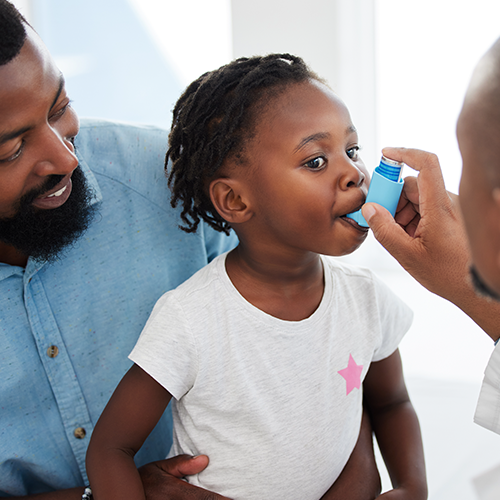
Children with asthma
Children with chronic conditions
Children needing mental health support
New and expecting mothers
Pregnant patients with diabetes
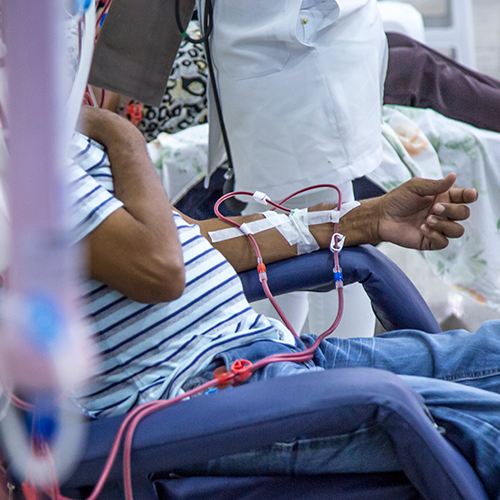
People with kidney failure
Cancer patients
People managing multiple chronic conditions
Older adults
People with disabilities
People on Medicaid and Medicare
Rural patients
Lower-income patients
People with substance use disorders
Patients at risk of misdiagnosis
Patients in emergency and urgent care
People who rely on telehealth
Survivors of sexual assault
The next generation of researchers

The priorities they named. The research they cut.

In its cancellation letters, AHRQ said it was ending these grants to redirect resources toward its stated priorities, including patient safety, antibiotic resistance, telehealth, and autism. But much of the research it canceled was doing exactly that work. The agency cut studies in the very areas it said it wanted to protect.

Preventing antibiotic resistance

a trial across 40 hospitals testing how to use antibiotics more appropriately.

Patient safety

a study built on AHRQ's own National Action Plan to Advance Patient Safety.
Telehealth

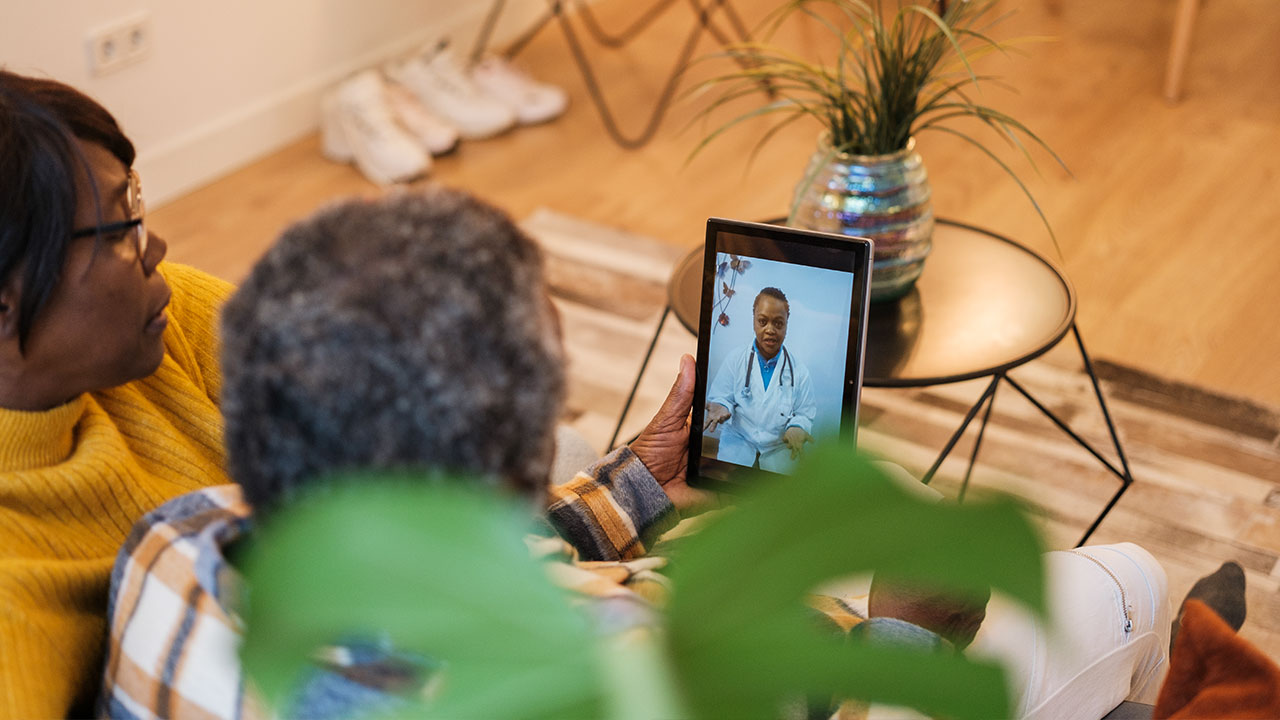
a program using telehealth to manage asthma in children whose families face a language barrier.

Digital health tools

a study giving families of hospitalized children access to their care team's notes to catch safety problems.

Artificial intelligence

a tool using AI to catch dangerous iron deficiency in pregnancy before delivery.

Autism

a study to improve early autism screening and diagnosis using digital tools.

Where the Cancellations Occurred

The canceled grants were awarded to researchers and institutions across the country.

Take Action

Report a canceled grant

If your AHRQ grant received a cancellation or non award notice, tell us. Sharing your grant number, project title, and cancellation notice can help us build a more complete public record.

For reporters

We can provide data, background, and connections to affected researchers who have agreed to speak.

Donate to support this work

Documenting canceled grants, supporting affected researchers, and making this information available to the public requires ongoing resources.

Explore the Cancelled Grants

The list below includes the canceled grants we have verified. Every grant included in the list is reflected in the totals and charts on this page. We name individual projects only when the researcher has given us permission to do so. As more researchers agree to be identified, additional projects will be added.

Showing 0 of 100
Tag
Filters
Filter One
Clear
Filter Two
Clear
Filter Three
Clear
Filter Four
Clear
Filter Five
Clear
Filter Six
Clear
Filter Seven
Clear
Filter Eight
Clear
Filter Nine
Thank you! Your submission has been received!
Oops! Something went wrong while submitting the form.
R18 HS029814-03
Implementation of a Maternal Resuscitation Curriculum in a Regionalized Perinatal Health System
When a mother's heart stops during or after childbirth, survival depends on a fast, coordinated response. This project put a maternal resuscitation curriculum into practice across a regional network of hospitals, strengthening the chain of survival and working to close gaps in maternal outcomes between communities.
Mothers at risk of life-threatening emergencies during and after childbirth
Maternal and child health
Research project
University of Connecticut School of Medicine
Connecticut
R18 HS029639-03
Adaptation of an Evidence-Based Curriculum to Teach the Prevention, Evaluation and Treatment of Maternal Medical Emergencies for Pre-hospital & Hospital Healthcare Workers in Rural Context
As labor and delivery units close across rural America, more pregnancy emergencies are handled by paramedics and clinicians who are not obstetric specialists. This project trained pre-hospital and hospital workers in rural areas to recognize and manage emergencies during pregnancy, delivery, and the weeks after birth, so more mothers survive when every minute counts.
Pregnant and postpartum patients in rural areas, and the EMS crews and clinicians who care for them
Maternal and child health
Research project
University of Connecticut School of Medicine
Connecticut
R03 HS030021
Organizational strategies to support community health center well-being
Community health centers care for millions of underserved patients, and their staff face heavy demands and high burnout. This study examined organizational strategies to support the well-being of community health center workers, so these safety-net clinics can keep the people who run them.
Clinicians and staff at community health centers
Primary care
Research project
University of Colorado Denver
Colorado
R01 HS027803
Impact and sustainability of a digitally-based diabetes prevention program
Proven programs can prevent or delay type 2 diabetes, but reaching people is hard and keeping the programs running is harder. This study examined how well a digital diabetes prevention program works and whether health systems can sustain it over time.
People at risk of developing type 2 diabetes
Telehealth and digital tools
Research project
University of California, San Francisco
California
P30 HS029764-02
Southwest Safety Net Embedded Scientist Training and Research (SSNE-STaR) Center
This center trained researchers to work inside safety-net health systems in the Southwest, the systems that care for people with the fewest resources. The goal is to improve care where it is needed most.
Patients who rely on safety-net health systems, and the scientists trained to improve their care
Learning health systems
Research center
Arizona State University
Arizona
R18 HS028569-04
The INFLUENTIAL Trial- Inpatient FLU Vaccination Program Effectiveness: National Trial Implementing Best Practices And Learning Collaboratives
A hospital stay is a chance to protect patients from the flu, but vaccination in the hospital is inconsistent. This national trial tests a program to improve flu vaccination of inpatients before they go home, aiming to prevent avoidable illness.
Hospitalized patients at risk from influenza
Patient safety
R18
Research project
UNIVERSITY OF COLORADO DENVER
Colorado
R18 HS029815-03
An equity-focused intervention to improve care transitions for Medicaid insured individuals with co-occurring serious mental health
Moving between hospitals, clinics, and community care is a risky time for people with mental health needs, especially those on Medicaid. This project tests an equity-focused way to smooth those transitions so patients do not fall through the cracks.
Medicaid patients moving between mental health care settings
Medicaid and Medicare
R18
Research project
UNIVERSITY OF PENNSYLVANIA
Pennsylvania
K08 HS028682-04
Averting Diagnostic Error Through Improved Recognition of Child Abuse
Recognizing child abuse in a medical setting is difficult, and missed cases can have grave consequences. This early-career project works to improve how clinicians recognize the signs, reducing diagnostic errors that put vulnerable children at risk.
Children at risk of missed abuse
Diagnostic safety
K08
Early-career award
CHILDREN'S HOSPITAL OF PHILADELPHIA
Pennsylvania
R18 HS028523-05
Dissemination of the WiseApp for Improving Health Outcomes Across Settings
Mobile health tools can help patients stay on track with their care, but only if they work across real-world settings. This project spreads and tests a health app designed to improve outcomes, so more patients can benefit from it.
Patients managing ongoing health conditions with digital tools
Telehealth and digital tools
R18
Research project
COLUMBIA UNIVERSITY HEALTH SCIENCES
New York
P30 HS029745-03
Patient-Oriented Research and Training to Accelerate Learning (Penn PORTAL)
This center supports patient-oriented research and trains scientists to speed up learning inside health systems. By pairing research with training, it helps turn evidence into better care more quickly.
Researchers training to improve care, and the patients they serve
Learning health systems
P30
Research center
UNIVERSITY OF PENNSYLVANIA
Pennsylvania
R01 HS029658-03
Culture of Patient Safety in Black Serving and Non-Black Serving Hospitals
A strong culture of safety helps hospitals prevent errors and protect patients. This study compares the safety culture of hospitals that primarily serve Black patients with others, to understand and close gaps that affect patient safety and equity.
Patients in hospitals that serve Black communities
Patient safety
R01
Research project
RAND CORPORATION
California
R01 HS029858
Using process mapping to optimize the integration of child psychosocial screenings in primary care, promote whole-person care, and increase family linkages to behavioral and safety net services
Primary care is often the first place to catch a child's mental or behavioral health needs, but screening does not always lead to help. This study maps and improves how child psychosocial screening is built into primary care so more children get connected to support.
Children who need mental and behavioral health support
Maternal and child health
R01
Research project
UNIVERSITY OF COLORADO DENVER
Colorado
R18 HS029816-03
Navigating Together for Equitable Asthma Management (Nav-TEAM) for Children in Families who Communicate in Languages other than English
Managing a child's asthma is harder when families face language barriers in the health system. This project tests a navigation approach that helps these families manage asthma together with their care team, aiming for fewer attacks and fairer care.
Children with asthma in families who speak languages other than English
Maternal and child health
R18
Research project
UNIVERSITY OF COLORADO DENVER
Colorado
R01 HS028636-05
Computable social factor phenotyping using EHR and HIE data
Things like housing, food, and transportation shape health, but that information is hard to pull from medical records. This study builds reliable ways to identify patients' social needs using existing health data, so care teams can respond to the whole person.
Patients whose social needs affect their health
Health equity
R01
Research project
INDIANA UNIVERSITY INDIANAPOLIS
Indiana
K08 HS029562-02
Using mixed methods to reduce disparities in renal colic care: a model for surgical value transformation
Care for kidney stones can vary widely, and some patients get worse care than others. This early-career project uses mixed methods to understand and reduce those disparities, offering a model for making surgical care more consistent and fair.
Patients seeking care for painful kidney stones
Health equity
K08
Early-career award
UNIVERSITY OF NORTH CAROLINA CHAPEL HILL
North Carolina
P30 HS029738
Learning Health System Embedded Scientist Training and Research Center
This center trains scientists to work inside health systems and study care as it is delivered, so improvements can be found and put into practice quickly. The goal is a health system that learns from itself and improves care over time.
Researchers embedded in health systems, and the patients they serve
Learning health systems
P30
Research center
UNIVERSITY OF CALIFORNIA, SAN FRANCISCO
California
K08 HS029396-03
Family-Centered Community Health Worker Support for Children with Chronic Conditions and Unmet Social Needs
Children with chronic conditions do better when their families get help with both medical and everyday needs. This early-career project tests family-centered support from community health workers to improve care for these children and ease the strain on their families.
Children with chronic conditions and unmet social needs
Vulnerable populations
K08
Early-career award
CHILDREN'S HOSPITAL OF PHILADELPHIA
Pennsylvania
U18 HS029321-04
Consumer Assessment of Healthcare Providers and Systems (CAHPS) VI
This grant supports the national CAHPS surveys that health systems use to measure patients' experiences of care. The work keeps these standardized tools current so the country can compare care fairly and improve it.
Patients whose experiences shape how care quality is measured
Patient safety
U18
Research center
RAND CORPORATION
California
T32 HS026116-08
Postdoctoral training in health services research
This program trains postdoctoral researchers in health services research, preparing them to study how care is delivered and how to improve it. Graduates become the researchers and experts who make care safer and more effective.
Early-career researchers, and the patients their future work will reach
Training and workforce
T32
Training program
UNIVERSITY OF PENNSYLVANIA
Pennsylvania
T32 HS022242-13
Training in Health Services Research for Vulnerable Populations
This program trains researchers to study and improve care for vulnerable populations, building a workforce focused on the patients who are often left behind. Its graduates carry that focus into research and policy nationwide.
Early-career researchers focused on underserved patients
Training and workforce
T32
Training program
BOSTON MEDICAL CENTER
Massachusetts
T32 HS000053-34
Health Services Research Training
This program trains researchers in health services research, the field that studies how to make care safer, more affordable, and more effective. Its trainees go on to improve health-care delivery through research and policy.
Early-career researchers, and the patients their future work will reach
Training and workforce
T32
Training program
UNIVERSITY OF MICHIGAN AT ANN ARBOR
Michigan
R18 HS029817-03
Implementation Strategies for Self-Measured Blood Pressure Monitoring in Racially and Ethnically Diverse Populations (InS2PiRED).
Checking blood pressure at home can improve care, but the practice is not used equally across communities. This project develops ways to put home blood-pressure monitoring to work in racially and ethnically diverse populations so more people keep their blood pressure under control.
Patients with high blood pressure in diverse communities
Health equity
R18
Research project
UNIVERSITY OF CALIFORNIA, SAN FRANCISCO
California
R18 HS029807-03
Bridging the gap: Delivering Equitable Colorectal Cancer Screening
Colorectal cancer screening saves lives, but many people miss it because of cost, access, or other barriers. This project tests ways to deliver screening more fairly so more people get checked in time.
People who face barriers to colorectal cancer screening
Cancer care
R18
Research project
MEDSTAR HEALTH RESEARCH INSTITUTE
Maryland
R18 HS029358-04
Center to Improve Clinical Diagnosis
Diagnostic errors are a major and often hidden source of patient harm. This center develops and spreads practical ways to improve clinical diagnosis so more patients get the right answer sooner.
Patients who depend on an accurate, timely diagnosis
Diagnostic safety
R18
Research project
UNIVERSITY HOSPITALS OF CLEVELAND
Ohio
R18 HS029356-04
The Patient-Partnered Diagnostic Center of Excellence
Getting the right diagnosis is one of the most important and error-prone parts of care. This center works with patients as partners to make diagnosis safer and more accurate across health-care settings.
Patients who depend on an accurate, timely diagnosis
Diagnostic safety
R18
Research project
MEDSTAR HEALTH RESEARCH INSTITUTE
Maryland

Reporting on the Cancellations

Journalists have reported on the canceled grants and interviewed affected researchers using data from this tracker.

Health department abruptly cancels health research grants worth millions
"No one knows what's going on, and no one is answering."
Aaron Carroll
AcademyHealth
Trump administration ends dozens of grants for studying patient care
"If I were Congress, I'd be livid."
Aaron Carroll
AcademyHealth
An Agency That Supports Health-Care Improvement Cuts Off Grant Funding
"Everything Americans hate about health care is what this research focuses on"
Aaron Carroll
AcademyHealth
HHS research agency ends funding for dozens of health studies
"We're losing a generation of very innovative scientists"
Tim Beebe
University of Minnesota'
Trump Administration Cuts Off Health Care Research Grants Without Warning
"People were caught totally off guard and are absolutely in a panic"
Aaron Carroll
AcademyHealth

About This Tracker

AcademyHealth is the professional home for health services research, the field that studies how health care is delivered and how it can be improved. We compiled this tracker using cancellation and non award notices shared directly by affected researchers, along with federal grant data.

Already invested refers to funding awarded and spent during the project periods before cancellation.

Remaining committed funding lost refers to funding committed to the grants for the remainder of their project periods but no longer available.

Total value of affected awards is the combined value of the funding already invested and the remaining committed funding.

Figures are updated as additional grants are verified and may change as new information becomes available.

To report a canceled grant or correction, contact advocacy@academyhealth.org.