When health care research stops, the answers stop with it.

AHRQ-funded research helps answer practical questions about how health care can be safer, more effective, and more affordable. On July, 15, 2026, researchers began receiving notices that funding for AHRQ grants already underway would not continue.

This tracker documents research grants that have been canceled, the funding affected, and the patients, families, and communities the work was meant to help.


When health care research stops, the answers stop with it.

AHRQ-funded research helps answer practical questions about how health care can be safer, more effective, and more affordable. On July, 15, 2026, researchers began receiving notices that funding for AHRQ grants already underway would not continue.

This tracker documents research grants that have beencanceled, the funding affected, and the patients, families, and communities thework was meant to help.

Who Loses Out

The canceled research reaches across the health care system.
These are some of the people it was meant to help.


Children in foster care
Hospitalized children and their families
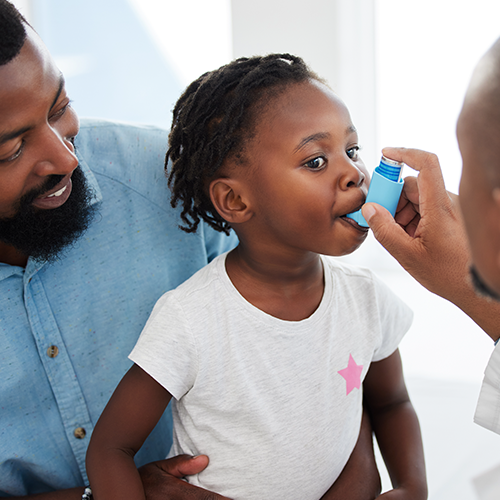
Children with asthma
Children with chronic conditions
Children needing mental health support
New and expecting mothers
Pregnant patients with diabetes
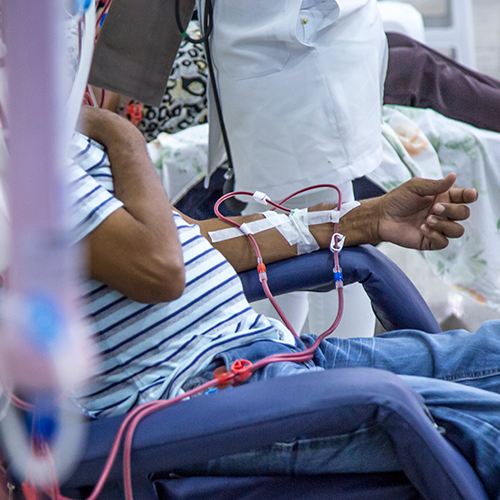
People with kidney failure
Cancer patients
People managing multiple chronic conditions
Older adults
People with disabilities
People on Medicaid and Medicare
Rural patients
Lower-income patients
People with substance use disorders
Patients at risk of misdiagnosis
Patients in emergency and urgent care
People who rely on telehealth
Survivors of sexual assault
The next generation of researchers

The priorities they named. The research they cut.

In its cancellation letters, AHRQ said it was ending these grants to redirect resources toward its stated priorities, including patient safety, antibiotic resistance, telehealth, and autism. But much of the research it canceled was doing exactly that work. The agency cut studies in the very areas it said it wanted to protect.

Preventing antibiotic resistance

a trial across 40 hospitals testing how to use antibiotics more appropriately.

Patient safety

a study built on AHRQ's own National Action Plan to Advance Patient Safety.
Telehealth

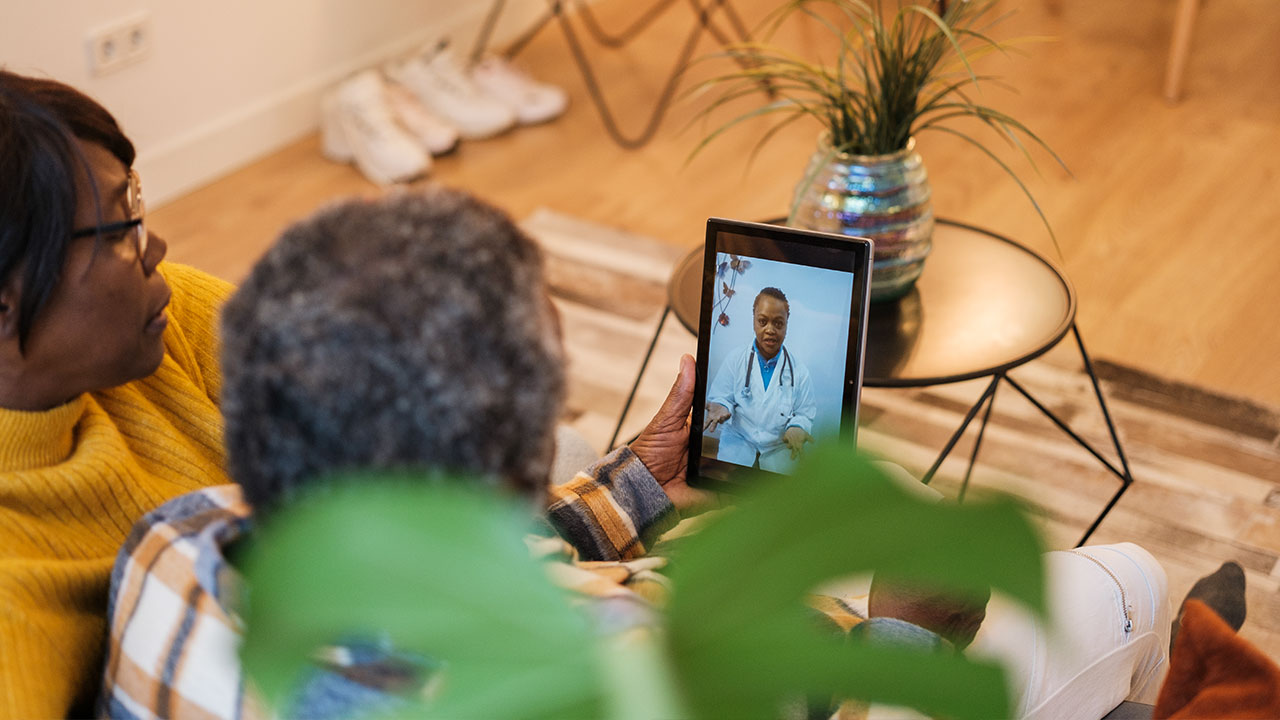
a program using telehealth to manage asthma in children whose families face a language barrier.

Digital health tools

a study giving families of hospitalized children access to their care team's notes to catch safety problems.

Artificial intelligence

a tool using AI to catch dangerous iron deficiency in pregnancy before delivery.

Autism

a study to improve early autism screening and diagnosis using digital tools.

Where the Cancellations Occurred

The canceled grants were awarded to researchers and institutions across the country.

Take Action

Report a canceled grant

If your AHRQ grant received a cancellation or non award notice, tell us. Sharing your grant number, project title, and cancellation notice can help us build a more complete public record.

For reporters

We can provide data, background, and connections to affected researchers who have agreed to speak.

Donate to support this work

Documenting canceled grants, supporting affected researchers, and making this information available to the public requires ongoing resources.

Explore the Cancelled Grants

The list below includes the canceled grants we have verified. Every grant included in the list is reflected in the totals and charts on this page. We name individual projects only when the researcher has given us permission to do so. As more researchers agree to be identified, additional projects will be added.

Showing 0 of 100
Tag
Filters
Filter One
Clear
Filter Two
Clear
Filter Three
Clear
Filter Four
Clear
Filter Five
Clear
Filter Six
Clear
Filter Seven
Clear
Filter Eight
Clear
Filter Nine
Thank you! Your submission has been received!
Oops! Something went wrong while submitting the form.
R18 HS029117-04
Safe and Equitable Telehealth for Chronic Conditions (SafE-T C2) Learning Laboratory
Telehealth can expand access to care, but it has to be safe and work for everyone. This learning laboratory develops ways to deliver telehealth for chronic conditions that are both safe and equitable, so virtual care helps rather than widens gaps.
Patients managing chronic conditions through telehealth
Telehealth and digital tools
R18
Research project
MEDSTAR HEALTH RESEARCH INSTITUTE
Maryland
R01 HS029792-03
Improving Diagnostic Equity in Ambulatory care Settings (I.D.E.A.S.): Research to Practice
Diagnostic errors in everyday outpatient care can cause real harm, and they do not fall equally on all patients. This project develops and tests ways to make diagnosis more accurate and more fair in ambulatory settings, then moves those methods into practice.
Patients at risk of misdiagnosis in outpatient care
Diagnostic safety
R01
Research project
MEDSTAR HEALTH RESEARCH INSTITUTE
Maryland
R01 HS029677-02
Supporting shared decision making in childhood nephrotic syndrome to improve care for children of racial and ethnic minority and low income background
Caring for children with a chronic kidney condition works best when families share in the decisions. This study supports shared decision-making to improve care for children with nephrotic syndrome, with attention to families from racial and ethnic minority and lower-income backgrounds.
Children with nephrotic syndrome, especially from underserved families
Maternal and child health
R01
Research project
EMORY UNIVERSITY
Georgia
R01 HS029310-03
Sustainable Solutions to Translating Best Practices for Informed Consent
Informed consent is meant to help patients truly understand their care, but in practice it often falls short. This study develops practical, lasting ways to improve informed consent so patients can make decisions with real understanding.
Patients making decisions about their own care and procedures
Patient safety
R01
Research project
WASHINGTON UNIVERSITY
Missouri
R01 HS028822-04
ACHIEVE: Successfully achieving and maintaining euglycemia during pregnancy for type 2 diabetes through technology and coaching
Keeping blood sugar in a healthy range during pregnancy is critical for both mother and baby, and it is especially hard for people with type 2 diabetes. This study tests whether technology paired with coaching can help patients reach and hold safe blood-sugar levels through pregnancy.
Pregnant patients living with type 2 diabetes
Maternal and child health
R01
Research project
OHIO STATE UNIVERSITY
Ohio
P30 HS029772-03
Promoting Embedded Research in a Learning Health System
This center builds research directly into the day-to-day work of a health system, so care is studied and improved where it happens. It also trains the scientists who carry that work forward.
Researchers embedded in health systems, and the patients they serve
Learning health systems
P30
Research center
JOHNS HOPKINS UNIVERSITY
Maryland
P30 HS029755-03
PEDSnet Scholars: A National Pediatric Learning Health System Embedded Scientist Training and Research Program
This national center trains scientists embedded in pediatric health systems to study and improve care for children. By connecting children's hospitals through a shared research network, it turns findings into better care faster.
Researchers in children's health, and the children they serve
Learning health systems
P30
Research center
CHILDREN'S HOSPITAL OF PHILADELPHIA
Pennsylvania
P30 HS029752-03
Boston Health Equity & community-Aligned Learning Health System (Boston-HEALHS)
This Boston-based center trains scientists to improve care inside health systems while working closely with the surrounding community, with a focus on health equity. The aim is care that learns from real experience and works for everyone.
Researchers embedded in health systems, and the communities they serve
Learning health systems
P30
Research center
BOSTON MEDICAL CENTER
Massachusetts
K01 HS028916-04
Policy effects on gender minority health and evidence from the implementation of gender affirming coverage in Medicaid
When Medicaid programs add coverage for gender-affirming care, it can change people's access to services and their health. This early-career project studies the effects of those coverage decisions to inform policy with evidence.
Transgender and gender-diverse people covered by Medicaid
Medicaid and Medicare
K01
Early-career award
MASSACHUSETTS GENERAL HOSPITAL
Massachusetts
P30 HS029770-03
UCSD Center for Learning Health Systems Science
This center trains scientists to work inside health systems and study care as it happens, so problems get spotted and solved quickly. The goal is a health system that continuously learns and improves care for patients.
Researchers embedded in health systems, and the patients they serve
Learning health systems
P30
Research center
UNIVERSITY OF CALIFORNIA, SAN DIEGO
California
R01 HS028007-04
Care Transitions App for Patients with Multiple Chronic Conditions
People with multiple chronic conditions often struggle after leaving the hospital, when medications, appointments, and instructions get confusing. This project develops and tests a mobile app that organizes care information, improves communication with providers, and helps prevent avoidable readmissions.
Adults living with several chronic illnesses at once
Chronic conditions
R01
Research project
BRIGHAM AND WOMEN'S HOSPITAL
Massachusetts
T32 HS000011-40
INSTITUTIONAL NATIONAL RESEARCH SERVICE AWARD
This training grant, held for 40 years, supports graduate students and fellows in health services research. Many of its trainees have worked in the very areas AHRQ has named as priorities, and it has helped build the field's workforce for decades.
Early-career researchers, and the patients their future work will reach
Training and workforce
T32
Training program
BROWN UNIVERSITY
Rhode Island
R01 HS029170-03
Policies to Inform Safe and Equitable Opioid Access for Patients with Advanced Cancer Near End of Life
People with advanced cancer often need opioids to manage severe pain, but policies meant to curb misuse can make that harder to get. This study examines how those policies affect safe and fair access to pain relief for patients near the end of life.
Advanced cancer patients who need pain relief near the end of life
Cancer care
R01
Research project
UNIVERSITY OF PITTSBURGH AT PITTSBURGH
Pennsylvania
K08 HS029530-02
Achieving Excellence in Lung Cancer Diagnosis through System-Level Analysis of Diagnostic Performance
Catching lung cancer early saves lives, but diagnoses are sometimes missed or delayed. This early-career project analyzes where the diagnostic process breaks down across a health system so those failures can be found and fixed.
Patients at risk of a missed or delayed lung cancer diagnosis
Diagnostic safety
K08
Early-career award
JOHNS HOPKINS UNIVERSITY
Maryland
R01 HS029673
Understanding the screening to care transition for marginalized rape survivors
Many survivors of sexual assault fall through the cracks between an initial screening and the follow-up care they need, and marginalized survivors face the steepest barriers. This study works to understand that gap so more survivors are connected to care.
Survivors of sexual assault
Vulnerable populations
R01
Research project
UNIVERSITY OF MISSOURI KANSAS CITY
Missouri
P30 HS029756-03
Learning Health systems training to improve Disability and chronic condition care (LeaHD) Research and Data Analysis Core
This center trains researchers to work inside health systems while focusing on improving care for people with disabilities and chronic conditions. The goal is care that works better for patients whose needs are often overlooked.
People with disabilities and chronic conditions
Learning health systems
P30
Research center
BROWN UNIVERSITY
Rhode Island
T32 HS029585-03
Emory Health Services Research Center Training Grant
This program trains the next generation of health services researchers, scientists who study how care is delivered and how to make it safer, more effective, and more affordable. Graduates often go on to lead research that shapes health policy and improves patient care nationwide.
Early-career researchers, and the patients their future work will reach
Training and workforce
T32
Training program
EMORY UNIVERSITY
Georgia
R01 HS030221-02
Complexity, Incidence, and Costs Related to Delayed Diagnosis of Venous Thromboembolism in Urban and Rural Primary and Urgent Care Settings
A delayed diagnosis of venous thromboembolism, including pulmonary embolism, is a serious and preventable patient-safety problem. This research built a validated way to measure the problem across health systems, and the next phase was meant to help clinicians recognize these clots earlier and cut diagnostic delays.
Patients at risk of a dangerous, missed blood clot
Diagnostic safety
R01
Research project
BRIGHAM AND WOMEN'S HOSPITAL
Massachusetts
R21HS030148-01
An AI-Directed CDS Tool to Reduce Iron Deficiency Anemia in Pregnancy: A Randomized Controlled Trial (AID-IDA Trial)
Blood loss around childbirth is a leading cause of harm to mothers, and low iron beforehand raises the danger. This project tests an AI-guided tool that flags pregnant patients at high risk and prompts steps to treat iron-deficiency anemia before delivery, aiming to reduce serious complications.
Pregnant patients at risk of dangerous anemia and hemorrhage
Maternal and child health
R21
Research project
MASSACHUSETTS GENERAL HOSPITAL
Massachusetts
R01HS030245-01
Bridges to Primary Care: Transforming Postpartum Primary Care Coordination for People with Chronic Conditions
The weeks after childbirth are a missed chance to connect people to ongoing primary care, especially the many who have or are at risk for chronic conditions. This trial tests a set of tools built into routine postpartum care to help new mothers move smoothly into primary care and manage their health for the long term.
New mothers with or at risk for chronic conditions
Maternal and child health
R01
Research project
MASSACHUSETTS GENERAL HOSPITAL
Massachusetts
R18 HS029629-03
Resilient EMS PSLL: Using a Systems Engineering Approach to Enhance EMS Cognitive Work and Safety for Older Adults During Prehospital Care.
Paramedics and EMTs make high-stakes decisions in the field, often for older adults with complex needs. This project uses systems-engineering methods to make prehospital emergency care safer and to support the cognitive work EMS crews do under pressure.
Older adults who need emergency medical services
Patient safety
R18
Research project
JOHNS HOPKINS UNIVERSITY
Maryland
R01 HS028655-04
Multilevel Intervention Strategies to Transform Kidney Care and Improve Pursuit of Transplant in an Integrated Healthcare Delivery System
For people with kidney failure, a transplant often offers the best chance for a longer, healthier life, yet many never make it onto the waiting list. This study tests ways to improve education, coordination, and communication so more eligible patients can pursue a kidney transplant.
People with kidney failure who could benefit from a transplant
Chronic conditions
R01
Research project
METHODIST HOSPITAL RESEARCH INSTITUTE
Texas
P30 HS029771
Dartmouth Learning Health System (LHS) Embedded Scientist Training and Research (E-STaR) Center
This center trains scientists to work inside health systems and study care in real time, turning findings into practical improvements. The aim is a health system that keeps learning and gets better at caring for patients.
Researchers embedded in health systems, and the patients they serve
Learning health systems
P30
Research center
DARTMOUTH COLLEGE
New Hampshire
R01 HS029179-03
Improving safety and quality of emergency care using machine learning-based clinical decision support at triage
Emergency departments have to make fast decisions about who is sickest and needs care first. This study tests whether a machine-learning tool used at triage can improve the safety and quality of emergency care by helping clinicians catch high-risk patients sooner.
Patients arriving at busy emergency departments
Patient safety
R01
Research project
KAISER FOUNDATION RESEARCH INSTITUTE
California
R01HS027619-01
Diagnosis and management of pediatric tracheostomy-associated infections
Children with a tracheostomy, a surgical airway, are at high risk for serious infections that can be hard to diagnose and treat. This study works to improve how those infections are recognized and managed, so these medically complex children stay safer.
Children who rely on a tracheostomy to breathe
Patient safety
R01
Research project
STANFORD UNIVERSITY
California

Reporting on the Cancellations

Journalists have reported on the canceled grants and interviewed affected researchers using data from this tracker.

Health department abruptly cancels health research grants worth millions
"No one knows what's going on, and no one is answering."
Aaron Carroll
AcademyHealth
Trump administration ends dozens of grants for studying patient care
"If I were Congress, I'd be livid."
Aaron Carroll
AcademyHealth
An Agency That Supports Health-Care Improvement Cuts Off Grant Funding
"Everything Americans hate about health care is what this research focuses on"
Aaron Carroll
AcademyHealth
HHS research agency ends funding for dozens of health studies
"We're losing a generation of very innovative scientists"
Tim Beebe
University of Minnesota'
Trump Administration Cuts Off Health Care Research Grants Without Warning
"People were caught totally off guard and are absolutely in a panic"
Aaron Carroll
AcademyHealth

About This Tracker

AcademyHealth is the professional home for health services research, the field that studies how health care is delivered and how it can be improved. We compiled this tracker using cancellation and non award notices shared directly by affected researchers, along with federal grant data.

Already invested refers to funding awarded and spent during the project periods before cancellation.

Remaining committed funding lost refers to funding committed to the grants for the remainder of their project periods but no longer available.

Total value of affected awards is the combined value of the funding already invested and the remaining committed funding.

Figures are updated as additional grants are verified and may change as new information becomes available.

To report a canceled grant or correction, contact advocacy@academyhealth.org.